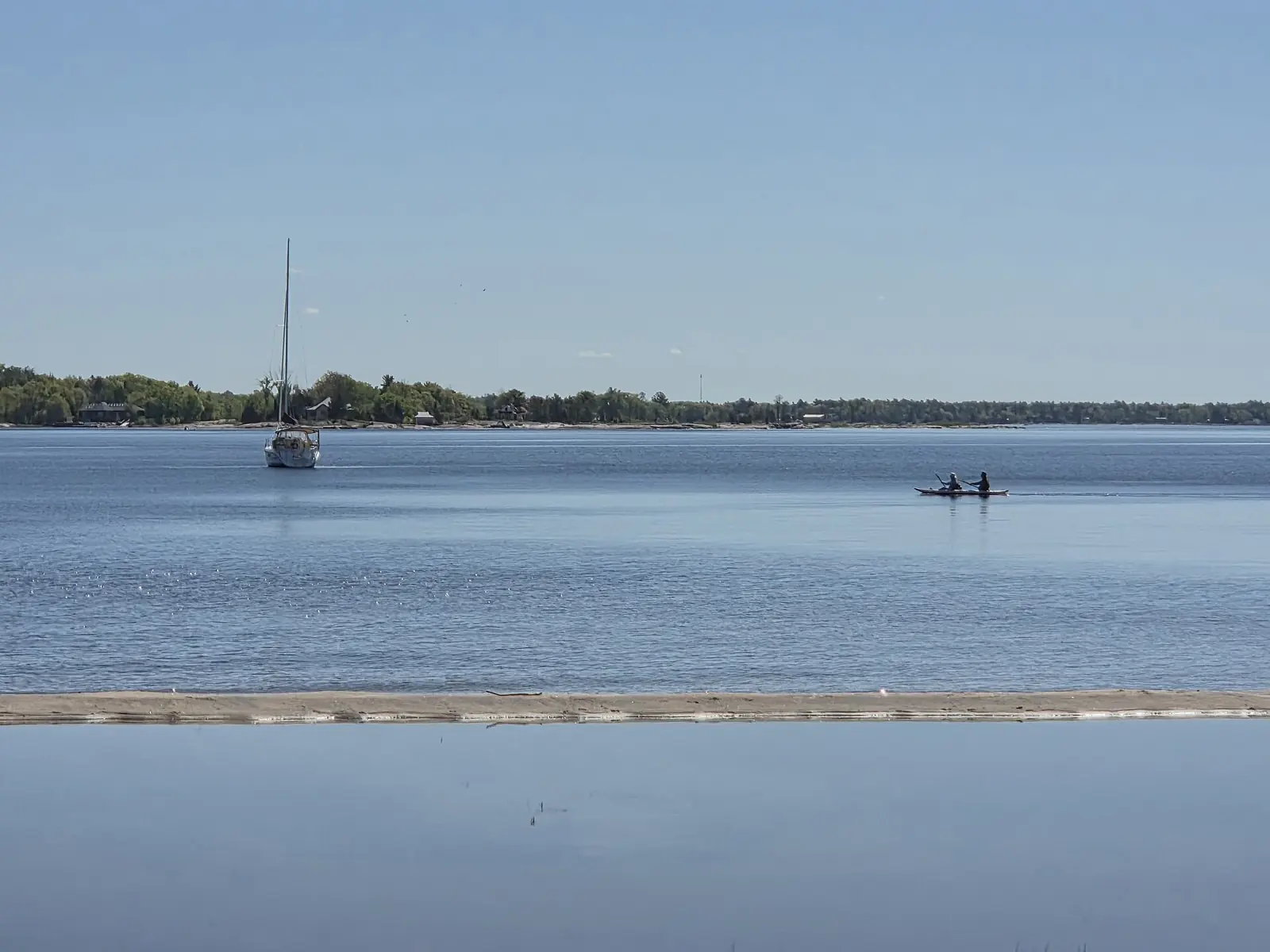
Every shoreline town on the Great Lakes sits on Indigenous land. The lakes were highways, larders and sacred places long before the border was drawn through them, and the Nations of this region remain here today on both the Canadian and American shores.
The Nations of the lakes
The Anishinaabe live all around the upper Great Lakes. Ojibwe (Chippewa), Odawa and Potawatomi peoples form the historic Three Fires Confederacy, and the Mississauga are also Anishinaabe. Their communities stretch from Lake Superior's north shore to Michigan's peninsulas and the shores of Lake Huron and Georgian Bay.
The Haudenosaunee (Six Nations, or Iroquois Confederacy) are centred south of Lake Ontario and along the Grand River and St. Lawrence. The Mohawk are known as the Keepers of the Eastern Door.
The Wendat (Huron) Confederacy lived between Lake Simcoe and Georgian Bay before dispersing in the mid-1600s. The Huron-Wendat Nation continues today at Wendake, Quebec, and Wyandotte Nations in the United States trace their history to the same people.
Destination Ontario's own acknowledgement puts it simply: the Haudenosaunee in the south and the Anishinabek Nation all around the Great Lakes, with the Cree Nation further north.
Treaties that shaped the shoreline
- The Treaty of Niagara, 1764. More than 2,000 representatives of some 24 Nations met the British Crown at Niagara, an agreement many Nations regard as the foundation of the treaty relationship.
- The Robinson-Superior and Robinson-Huron Treaties, 1850. Signed at Sault Ste. Marie, they cover the north shores of Lakes Superior and Huron. In 2023, Canada, Ontario and the 21 Robinson-Huron Treaty First Nations reached a $10 billion settlement for annuities that had gone unpaid for generations.
- The Williams Treaties, 1923. Seven First Nations around Lake Simcoe and the north shore of Lake Ontario; Canada and Ontario apologized and settled in 2018.
Places to learn
- Sleeping Bear Dunes, Lake Michigan. The lakeshore takes its name from the Anishinaabe story of a mother bear and her two cubs.
- Grand Portage, Lake Superior. On Minnesota's North Shore, the national monument tells the story of the Anishinaabe and the fur trade.
- Agawa Rock, Lake Superior Provincial Park. Red-ochre pictographs on a cliff above the water, reached by a short, steep trail when the lake is calm.
- Point Pelee, Lake Erie. The park is on the traditional territory of Anishinaabe, Haudenosaunee and other peoples. Caldwell First Nation people lived here before they were removed.
Travelling respectfully
Follow posted guidance at sacred and cultural sites, buy from Indigenous-owned businesses and artists, and ask before photographing people or ceremonies. First Nations communities are homes; visit the public businesses, cultural centres and events that welcome visitors.
Learning whose land you are on, and the agreements that shaped it, is part of seeing the Great Lakes clearly.
This introduction is drawn from the public sources below. We welcome corrections and guidance from First Nations, Métis and Tribal Nations and will update it accordingly.